Friday, October 18, 2019

Beware of Overtraining


Beware of Overtraining
By: Adrian Quimbayo-Cipric


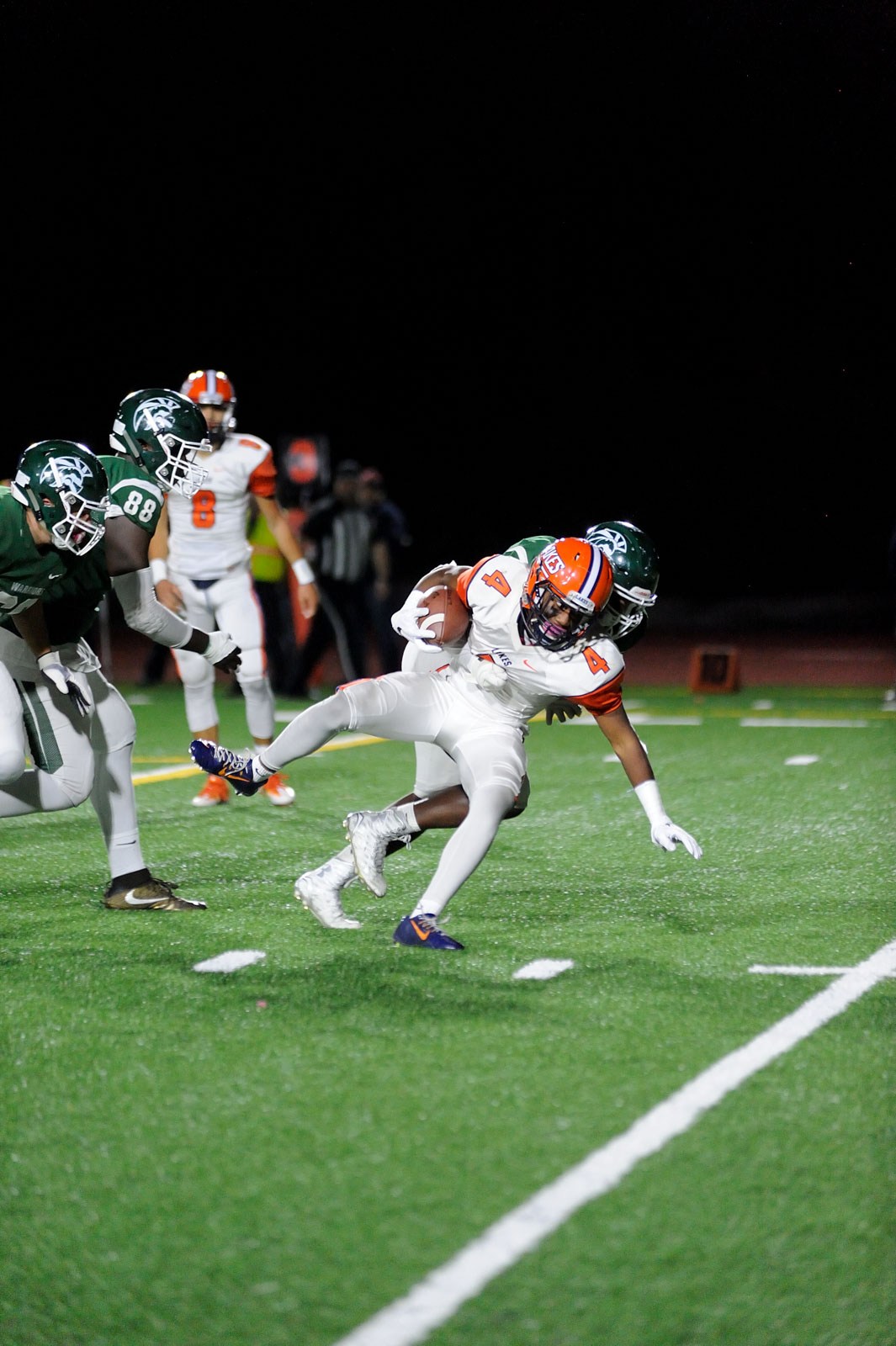
          It is often thought that in order to improve, an athlete must go a hundred and ten percent every time, day in and day out. We see it all the time in movies and other media; “sleep is for the weak,” “no rest days” and such. While it is good to have an intense mentality when it comes to training, it is extremely important to make sure adequate recovery is reached. Often times athletes will give their all in practice and training, but will not get adequate sleep, under-eat or not eat the right foods, or just be doing too much at once. In the example of lifting weights, a person is breaking down their muscle more and more as the workout progresses, this means the athlete is at their weakest at the end of the workout. Their increases in muscular size and strength does not increase during the workout, but during feeding their body with food and proper rest.


What is Overtraining?

       
So, what is overtraining exactly? Overtraining happens due to a difference in the demand of an athlete’s performance and their functional capacity, and this leads to a decrease in performance despite still training. It is caused by training too intensely too frequently and/or under recovering. When someone is experiencing overtraining it can lead to many negative symptoms including physiological, psychological, immunological, and biochemical side effects. The physiological effects are ones such as prolonged recovery, decreased performance, decreased strength and work capacity, and insomnia. Some psychological effects include depression, emotional instability, and being more sensitive to stress. The immunological effects contain decreased immune function, slower healing, and flu-like illnesses. Finally the biochemical side effects can include decreased bone mineral content, mineral depletion, and lower levels of testosterone.1 Overtraining usually starts with small symptoms, then they disappear and there’s usually an increased fatigue, if intensive training is continued the symptoms come back at a more severe level. Knowing about overtraining is important because athletes at every level are susceptible to it, especially those whom are less experienced and do not know how to manage their training loads as well.


How Can Overtraining be Prevented?

       
Now that we know what overtraining does, how can we prevent it. In the case of overtraining, prevention is much more effective than trying to reverse it, and that starts with optimal recovery. Recovery is different for everybody and many factors can influence the type or length of recovery needed. Recovery depends on the kind of exercise and stress that was placed on the body; high stress, intense training is going to need more recovery than a more moderate level of training.2 It is also very individualized, with each athlete responding differently, which is why it must be closely monitored and how an athlete is feeling before, during, and after training should be taken into account. Also if a new type of training/activity is introduced that the athlete is either unused to or unfamiliar with they could potentially need a little longer to recover.2 Recovery does not mean just laying in bed all day and being lazy, there are different types of recovery. There is passive recovery, which is much more relaxed and can involve no physical activity, while on the other end there is active recovery, which can include performing activities such as going on a walk or even low intensity cycling or swimming.2 The most important way to aid in the prevention of overtraining is to educate the athletes and coaches of it and how to recognize it; this way it can be caught early on and extra recovery methods can be taken and looked into. The best way for an athlete to recognize overtraining is when their performance is declining despite increased training efforts, and then for this to be communicated quickly to coaches and trainers.3 An important factor for prevention is periodization of training as well as taking in the proper amount of calories, staying hydrated, getting optimal sleep and to try and avoid prolonged periods of intense training combined with high stressors in sleep, mood, and environment.


I Think I am Overtraining, How Do I Fix It?

         
Although prevention is ideal, what can a person do that finds themselves already overtraining, and how can they begin to reverse that process? Overtraining treatment and the amount of recovery needed can vary from individual to individual in terms of time needed. One recommendation is to either cease training or to significantly lower training volume and intensity for one to two weeks, or however long it takes one to feel recovered and start reversing the symptoms. Another option is to cross train, or to focus on another activity for a few weeks, until symptoms are reversed. Just like with preventing it, in order to reverse overtraining it is of utmost importance that adequate sleep is taken every night. In addition, it is essential that a person eats healthy, balanced meals that are high in protein and carbohydrates, for repair and energy. Overall getting rest and taking the time to pause, allowing your body to catch up, is the ideal way to reverse overtraining.


Why Does it Matter?

          Recognizing overtraining matters because as previously mentioned, it can impact anyone, from child athletes all the way up to the professionals. Anyone who performs exercise can potentially be affected by it if they are either training too intensely for too long, or the more common circumstance, under recovering. Going all out pedal to the medal for training 24/7 sounds cool, but is not the right train of thought to have when it comes to long term improvement, especially for those who are less experienced. It can potentially hold back and stop athletes from reaching that next level that they desire. It is more important to be efficient with one’s training, knowing when to push and when to slightly hold back, as well as making sure the recovery one is receiving is optimal and they are not undereating or under sleeping. This also can tie back to how important it is for an athlete to have an offseason because as humans, our bodies need rest and time to recover, and cannot go one hundred percent for extended periods of time with no breaks. It is important to train intelligently, and to remember the purpose of training in the long run is to improve, to build up and not to break down.


References:


1. Fry RW, Morton AR, Keast D. Overtraining in Athletes: An Update. Sport Med. 1991;12(1):32-65. doi:10.2165/00007256-199112010-00004


2. Kellmann M. Preventing overtraining in athletes in high-intensity sports and stress/recovery monitoring. Scand J Med Sci Sport. 2010;20(SUPPL. 2):95-102. doi:10.1111/j.1600-0838.2010.01192.x


3. Kreher J. Diagnosis and prevention of overtraining syndrome: an opinion on education strategies. Open Access J Sport Med. 2016;Volume 7:115-122. doi:10.2147/oajsm.s91657




Friday, October 4, 2019

Who Needs an Offseason?


Who Needs an Offseason?
 An Outlook on In Season vs Out of Season Training for Athletes
By: Adrian Quimbayo-Cipric


          Whether it is for fun, recreation, school, or profession all those who play sports are athletes in some way, shape, or form. Whether it is you, a teammate, or even a child, overdoing it when it comes to physical activity can lead to prolonged fatigue, disdain for the sport, or even injury. This is why it is important for one to have one’s training properly programmed and structured. For athletes, their training for sports is usually split into two seasons, an in season and an offseason. Both are important, but they serve different functions. In season training is when they are actively competing in their sport and performing more sport-specific training. The goal of offseason training is to build strength and endurance in the athlete in order to increase their athletic performance for the upcoming season. This distinction in training is important to look at this as many athletes today, especially high school athletes are involved in sports that last throughout a majority of, if not the whole year, giving them very little time for the improvement and rest that comes during the offseason.


During the offseason, athletes are able to train longer, more intensely, and at higher volumes due to not worrying about games/competitions and having more rest and recovery time. This is the time for an athlete to make the greatest increases in muscular strength and endurance. An important component of offseason training is doing some form of resistance training in order to increase one’s strength. These increases in strength have been found to increase an athlete’s speed, jumping ability and throwing velocity.1 In addition to improved performance, having a successful offseason training program can make an athlete less prone to injury.2 The high training loads of offseason training are what bring forth beneficial increases in cardio capacity in athletes as well as a more ideal body composition. In a 2017 study run on rugby athletes, they found that ten additional offseason training sessions reduced injury risk by 17%. Then as the in season gets closer the volumes and intensities of training will slowly taper down.

For in season training, the athletes will be performing more sport-specific training will perform workouts at lower volumes due to less recovery time and increased stress on the body. In a study published in the International Journal of Sports Physiology and Performance, it was found that athletes had an increased risk of injury during in season training if they had cumulative loads that were too high during a week and if they had large training load changes from week to week.3 This shows that during the in season it is not ideal for an athlete to train at higher loads or have sporadic changes in load volumes by the week. As previously mentioned, the bulk of an athlete’s in season training should be placed on skill work and other sport-specific training. There should also be an emphasis placed on mobility work and stretching during training in order to further reduce an athlete’s injury risk. The focus as far as strength is concerned, should be maintenance. In a 2011 study done on professional soccer players, it was found that performing a strength maintenance program once a week was enough to maintain the strength they had gained in the offseason.4 Although it’s performed on soccer players who may not have the pure strength needs of an athlete like an American football player the same concept still stands; that the focus should be placed on maintenance.

          In regards to training for sports, sometimes it is better to work smarter and not harder. It is great to be ambitious about sports, but sometimes, especially when playing sports throughout the whole year, it is easy to bite off more than one can chew. Using the high school athlete again, it can be hard to find enough time to rest and recover when juggling around practice, studies, social events, and getting enough sleep;  especially doing this year-round with no breaks. It is okay to relax once in a while for the sake of recovery and injury prevention, after all that is when a person gets stronger, when resting not by continually breaking down. When it comes to the offseason an athlete is obviously going to want to improve as much as they can and push hard, but also be sure to get adequate rest and recovery. On the subject of long-term health and performance especially during an athlete’s in season training, sometimes less is more.


References:


1. CARDOSO MARQUES MA, GONZÁLEZ-BADILLO JJ. IN-SEASON RESISTANCE TRAINING AND DETRAINING IN PROFESSIONAL TEAM HANDBALL PLAYERS. J Strength Cond Res. 2006;20(3):563-571. doi:10.1519/00124278-
200608000-00017

2. Windt J, Gabbett TJ, Ferris D, Khan KM. Training load-Injury paradox: Is greater preseason participation associated with lower in-season injury risk in elite rugby league players? Br J Sports Med. 2017;51(8):645-650. doi:10.1136/bjsports-2016-095973

3. Cross MJ, Williams S, Trewartha G, Kemp SPT, Stokes KA. The influence of in-season training loads on injury risk in professional rugby union. Int J Sports Physiol Perform. 2016;11(3):350-355. doi:10.1123/ijspp.2015-0187

4. Rønnestad BR, Nymark BS, Raastad T. Effects of inseason strength maintenance training frequency in professional soccer players. J Strength Cond Res. 2011;25(10):2653-2660. doi:10.1519/JSC.0b013e31822dcd96

Monday, October 8, 2018

The FitStop


By Vaughan Twigger

You may have been wondering what the fancy looking bar in the The Weight Club lobby area is. Well, the answer is…. it's a workout nutrition bar! The FitStop is there to provide you with the very best pre-workout, intra-workout, and post-workout available.

Nutrition is extremely important, no matter what your fitness goal may be. If you have been exercising regularly but haven’t seen the changes you want, the chances are your nutrition needs help. Especially when it comes to nutrition around workouts, because your body needs fuel to keep you going throughout the workout. The FitStop will provide you the right combination of protein, carbohydrates, fats, vitamins and minerals to help you recover. 

Here is how it works:

Purchase your FitStop pass at the front desk. (This will give you 3 nutritional shakes.)

1. Choose a pre-workout supplement. To increase energy, muscle pump, and mental well-being. Ranging from caffeine free, moderate caffeine, to high caffeine. Consume 15-20 minutes prior to workout.


2. Choose from our many refreshing flavors of Intra-workout shakes. To stay hydrated, delay fatigue, and prevent muscle breakdown. Consume mid-workout.


3. Choose a Post-workout shake. To improve recovery, build muscle, prevent cramping, and prepare you for the next workout. Low carb, moderate carb, and high carb options available. Consume immediately after the workout.

Ask one of our FitStop consultants to help you choose the right shakes to reach your own individual Fitness goals. 

$5 for the 3 course Workout Nutrition (use your own blender bottle)
$10 Includes a Weight Club Blender bottle.


Saturday, August 11, 2018

A Fit Future: Fitness Can Be Fun!


By Mary Shannon


Making sure children are physically active is important for helping them be healthy during the crucial stages of development in their young lives. However, another important, and more long-term goal, is to teach them healthy habits they will continue for the rest of their lives.  Getting the child internally motivated to exercise will help them create and maintain healthy habits.  Helping kids learn to love working up a sweat is a lesson that will have huge payoffs in their future.  Here are some ideas to help make fitness fun!

Children can be taught the importance of exercise and proper form, but if they do not enjoy exercising, it is less likely they will make exercise a habit and pursue it after they become adults.  To make exercise a lifelong habit, it is helpful if they discover that fitness can be fun.  Although we all must do things in our lives we dislike, finding enjoyment in the act of exercising itself is an incredibly powerful motivator that can change exercise from a dreaded chore to a fun activity the child looks forward to doing. Building lifelong exercise habits from an early age will put a child on track for a happy, healthy future.  So how can exercise be fun?


Games:
The most obvious way to make physically activity fun is to make it a game.  Crab-walk races, tag, and sharks and minnows are great games to get kids moving.  Older children may like going through obstacle courses.  They might even like taking part in creating the course.  Working out is not work, it is play!

Sports:
Getting children involved in sports is also a great way to mix fun and fitness.  Joining a sports team will provide plenty of physical activity along with an environment to can make new friends, learn the importance of teamwork, and build confidence.  Instead of sticking to just one sport all year round, kids should be involved in a variety of sports with shorter seasons.  This will allow the child to develop a wide range of motor skills and help prevent overuse injuries that can occur by doing the same movement too often (an example would be a shoulder injury from pitching a baseball constantly for a couple years).

Fun Exercise Names:
This technique is for younger children.  Come up with fun names for different exercises.  Instead of saying “calf raises,” say “tippy toes.”  Marching in place could be “Soldier Marches.”  Doing exercises that have animal names can also play with the child’s imagination.  Have them do frog jumps, bears crawls, and crab-walks.  Get creative!
Family Fun Time:
Try making exercise a family activity.  Go for family hikes, bike rides, and pick-up basketball games to strengthen muscles and familiar relationships.  Making fitness part of the family culture helps ingrain physical activity into the child’s life.  Seeing their siblings and parents enjoying the activity also helps them associate enjoyment with working up a sweat.  This leads into the next point-

Lead by Example:
We do not always remember how well children pick-up on how we act.  How the adults in the child’s life talk about and act towards exercise can greatly impact a kid’s view of fitness.  When an adult who never exercises and complains about physical activity tries to ensure the child that fitness is important and fun, the child will not believe her.  This is not to say that adults should simply fake enjoying exercise.  Working on changing your own mindset towards exercise is the best place  to start and even if you cannot get yourself to enjoy working out, try to have a pleasant attitude towards it and do not complain.  There is still value to showing children that self-disciple and keeping a positive attitude are valuable traits to cultivate.  On the other hand, if you do enjoy exercise, share this with the child!  However, be careful to remember that the child might not love the same type of exercise you enjoy and that not every child will like working out right away.  Do not make them believe that if they do not enjoy exercising, they do not have to do it, but do explore different types of exercises with them to help them find something that really gets them excited to work out.

Allow Them to Plan the Workout:
Letting kids chose what exercises to include in the workout creates a sense of ownership of the workout and thus makes them more motivated to complete it.  Even young children can plan their own workout.  The adult supervising them should give them a list of different exercises (it might be helpful to put them into categories such as legs, arms, core, etc. so the child does not only work one body part) and let them choose which ones they want to include in their workout. As the child’s gains more knowledge and experience, they can start coming up with the exercises themselves.

Some things in life are not fun, but they are necessary for a happy and healthy life.  People should regularly exercise even if they do not find it pleasant because it makes the rest of their life more pleasant by keeping them healthy.  However, finding exercise enjoyable is a powerful motivator to maintain that healthy habit.  If an adult can show a child how fitness can be fun, the child is more likely to regularly work out and continue doing so well into adulthood.

Monday, August 6, 2018

A Fit Future: Exercise Recommendations for Children


By Mary Shannon


Obesity rates in American have reached an all-time high. Approximately 18.5% of children and adolescents in the U.S. are obese. Childhood obesity is associated with a long list of health concerns, such as high blood pressure, early symptoms of hardening of the arteries, type 2 diabetes, nonalcoholic fatty liver disease, and disordered breathing during sleep. These concerns were previously thought to only occur in adults. Obese children are also likely to remain obese for their entire lifetime. The dramatic rise in childhood obesity may reverse the modern era's steady increase in life expectancy, meaning today's youth could ultimately have a shorter, less healthy life than their parents. The high rate of childhood obesity is a serious public health concern.
One major way to prevent childhood obesity is exercise. The American College of Sports Medicine (ACSM) recommends that children and adolescents accumulate at least one hour of physical activity every day.

Like adults, children and adolescents should do a combination of aerobic (cardio) and strength exercise. Some examples of aerobic activities for kids include: bike riding, walking, running, a variety of sports, rollerblading, dancing, and swimming. It is recommended to expose the child to a wide variety of aerobic activities to prevent overuse injuries, keep them interested, and to help them gain a large variety of movement skills.

Each week the child should have 2 to 3 days of muscle strengthening activities. Younger children can strengthen their muscles by climbing, jumping, tumbling and gymnastics, and a variety of games. As the child gets older, they can participate in supervised strength training programs focused on teaching proper form and technique. American Academy of Pediatrics (AAP) states that weight training is safe if the child is old enough, the parent checks with the child’s physician first, the child is supervised by a qualified trainer, and the strength program is not too intense. Children are normally developed enough to begin weight training at age 7 or 8. The younger the child is, the lighter the weight they should be using. Intensity can be increased by performing more repetitions. Free weights tend to be more effective for children because mechanized weights are not structured for shorter limbs. Body weight calisthenics (such as push-ups and pull-ups), rock wall climbing, and obstacle courses are also options for older children.

Although sports and free play are valuable ways to get a child active, structured exercise is also important. Once a person grows up and starts his or her career, opportunities to participate in sports dramatically decreases. Learning to enjoy structured exercise at an early age can increase the child’s chances of continuing that habit throughout his or her lifetime. Parents and other adult role models should aim to set a good example by being physically active themselves. When it comes to exercising, adults should encourage children to do their best and not worry about being the best.

Teaching children to become more physically active plays a major role in fighting childhood obesity. Children should be physically active for at least an hour every day and should do both aerobic and muscle-strengthening activities. Encouraging today’s youth to exercise and helping them to enjoy doing it can help them to develop healthy habits that will last them a lifetime.

Sources:
1)https://www.cnn.com/2017/10/13/health/adult-obesity-increase-study/index.html 

2)https://www.researchgate.net/publication/7245206_The_Consequences_of_Childhood_Overweight_and_Obesity 

3) https://www.acsm.org/docs/default-source/brochures/physical-activity-in-children-and-adolescents.pdf

4)https://www.webmd.com/parenting/features/is-weight-training-safe-for-kids#1

Supplementation and Nutrition

  Supplementation and Nutrition by Alex Nanephosy What are supplements?      Supplements are products meant to supplement the diet. They are...